
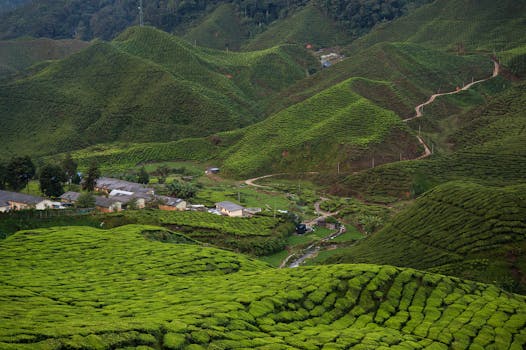
In recent years, organic farming has been gaining momentum in Malaysia, driven by increasing awareness of health, environmental sustainability, and food security. This growing trend reflects a global shift towards more sustainable agricultural practices, as consumers and farmers alike recognize the importance of nurturing the earth while ensuring a steady supply of nutritious food.
The Rise of Organic Farming in Malaysia
Malaysia’s journey into organic farming is rooted in its fertile lands and diverse climate, which offer ideal conditions for cultivating a variety of crops. However, traditional farming methods, heavily reliant on chemical fertilizers and pesticides, have raised concerns over soil degradation, water pollution, and adverse health effects. This has spurred a movement towards organic farming, characterized by:
Natural Fertilizers: Farmers use compost, manure, and bio-fertilizers to enrich the soil naturally.
Crop Rotation: A method to maintain soil fertility and prevent pest buildup.
Integrated Pest Management (IPM): Utilizing natural predators and biological solutions to manage pests.
Water Conservation: Implementing techniques like drip irrigation and mulching to preserve water resources.
Why Malaysians Are Embracing Organic Farming
Health Benefits: Organic produce is free from harmful pesticides and synthetic chemicals, making it a healthier choice for consumers. With rising cases of non-communicable diseases linked to poor dietary habits, Malaysians are increasingly seeking chemical-free food options.
Environmental Conservation: Organic farming practices are designed to protect the environment. By reducing chemical runoff and enhancing biodiversity, these methods contribute to cleaner waterways and richer ecosystems.
Economic Opportunities: The global organic food market is booming, and Malaysia is no exception. Organic farming presents lucrative opportunities for farmers and entrepreneurs, especially with the rise of eco-conscious consumers.
Food Security: Organic farming can play a crucial role in ensuring food security by promoting resilient agricultural systems that can withstand climate change impacts.
Challenges in Organic Farming
Despite its benefits, organic farming in Malaysia faces several challenges:
High Initial Costs: Transitioning from conventional to organic farming requires investment in training, certification, and sustainable farming tools.
Limited Knowledge: Many farmers are unfamiliar with organic techniques and need support through education and extension services.
Certification Issues: Obtaining organic certification can be a lengthy and costly process, discouraging small-scale farmers.
Market Competition: Organic products often carry a premium price tag, making them less accessible to some consumers.
Government and Community Support
The Malaysian government and various organizations are actively promoting organic farming through policies, subsidies, and awareness campaigns. Initiatives like the Malaysian Organic Scheme (SOM) help standardize organic practices and build consumer trust.
Local communities and NGOs are also stepping up to support organic farmers by establishing farmers’ markets, cooperatives, and farm-to-table networks. These efforts bridge the gap between producers and consumers, ensuring fair trade and wider accessibility to organic products.
Tips for Starting Your Own Organic Farm
Start Small: Begin with a manageable plot and expand as you gain experience.
Use Local Resources: Opt for native seeds and organic materials readily available in your area.
Educate Yourself: Attend workshops, read up on organic farming practices, and connect with experienced farmers.
Join Networks: Engage with local farming groups and cooperatives for support and shared resources.
The Future of Organic Farming in Malaysia
As the demand for sustainable food systems grows, organic farming is poised to become a cornerstone of Malaysia’s agricultural landscape. By adopting eco-friendly practices, supporting local farmers, and making informed food choices, Malaysians can contribute to a healthier and more sustainable future.
Whether you’re a farmer, a consumer, or an advocate for the environment, embracing organic farming is a step towards a brighter tomorrow. Together, we can cultivate a greener Malaysia, one organic field at a time