
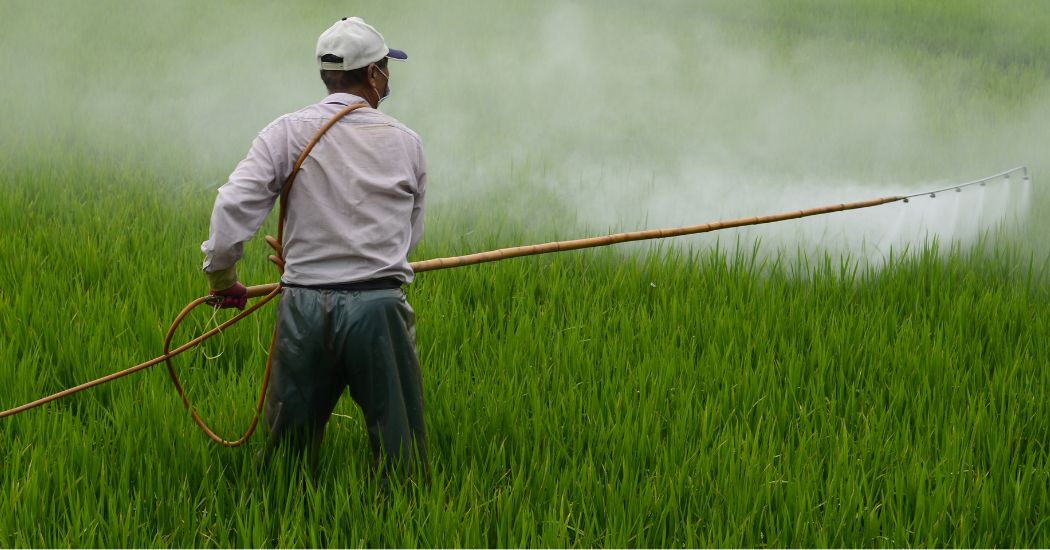
Chemical pesticides have been a cornerstone of modern agriculture for decades, widely used to protect crops from pests and diseases. However, their extensive use in Malaysia’s vegetable farming poses significant risks to both health and the environment. Understanding these hidden dangers is crucial for making informed food choices and advocating for safer, more sustainable practices.
Health Risks Associated with Pesticides
Toxic Residues on Vegetables: Vegetables treated with chemical pesticides often carry residues that can remain even after washing. Consuming such produce may expose individuals to harmful substances, potentially leading to:
Acute poisoning symptoms like nausea, dizziness, or vomiting.
Long-term effects, including hormone disruption, neurological disorders, and an increased risk of cancer.
Vulnerable Populations: Children, pregnant women, and individuals with compromised immune systems are particularly vulnerable to the harmful effects of pesticide residues.
Antibiotic Resistance: Some pesticides contain chemicals that contribute to antibiotic resistance, further complicating public health challenges.
Environmental Impact
Soil Degradation: Pesticides disrupt soil ecosystems, killing beneficial microorganisms and reducing soil fertility. Over time, this leads to a decline in crop yields and the need for more chemical inputs.
Water Pollution: Runoff from farms carrying pesticide residues contaminates rivers, lakes, and groundwater, affecting aquatic life and reducing the availability of clean water for communities.
Impact on Biodiversity: Chemical pesticides harm non-target species, including pollinators like bees, which are vital for vegetable production, and predators that naturally control pests.
Economic and Social Consequences
Increased Farming Costs: Over-reliance on chemical pesticides creates a cycle of dependency, as pests develop resistance, requiring stronger and more expensive chemicals.
Export Limitations: International markets often have strict regulations on pesticide residues, limiting the export potential of vegetables grown with chemical-intensive practices.
Consumer Trust: Concerns over pesticide use can erode consumer confidence in locally grown vegetables, driving demand for imported or organic produce.
Moving Towards Safer Alternatives
Adopting Organic Farming: Organic practices prioritize natural pest control methods, such as crop rotation, companion planting, and biological pest management. These approaches eliminate the need for harmful chemicals while enhancing soil and ecosystem health.
Integrated Pest Management (IPM): IPM combines multiple pest control strategies, including the use of resistant crop varieties, natural predators, and targeted chemical applications only when absolutely necessary.
Policy and Education: Governments, NGOs, and agricultural bodies must promote awareness of the risks associated with chemical pesticides and provide training for farmers on sustainable practices.
How You Can Reduce Exposure
Choose Organic or Locally Grown Produce: Support local farmers who use sustainable and organic practices. Farmers’ markets often provide access to chemical-free vegetables.
Wash and Peel Vegetables: Thoroughly wash produce under running water to remove surface residues. Peeling can further reduce exposure, though it may result in some nutrient loss.
Grow Your Own Vegetables: Start a home garden using organic principles. This ensures a steady supply of fresh, pesticide-free produce and promotes sustainable living.
Conclusion
The hidden dangers of chemical pesticides on vegetables in Malaysia are a wake-up call for consumers, farmers, and policymakers. By understanding these risks and embracing organic and sustainable alternatives, we can protect our health, preserve the environment, and ensure a safer food system for future generations. Choosing chemical-free produce isn’t just a personal decision—it’s a step towards a healthier and more sustainable Malaysia.