
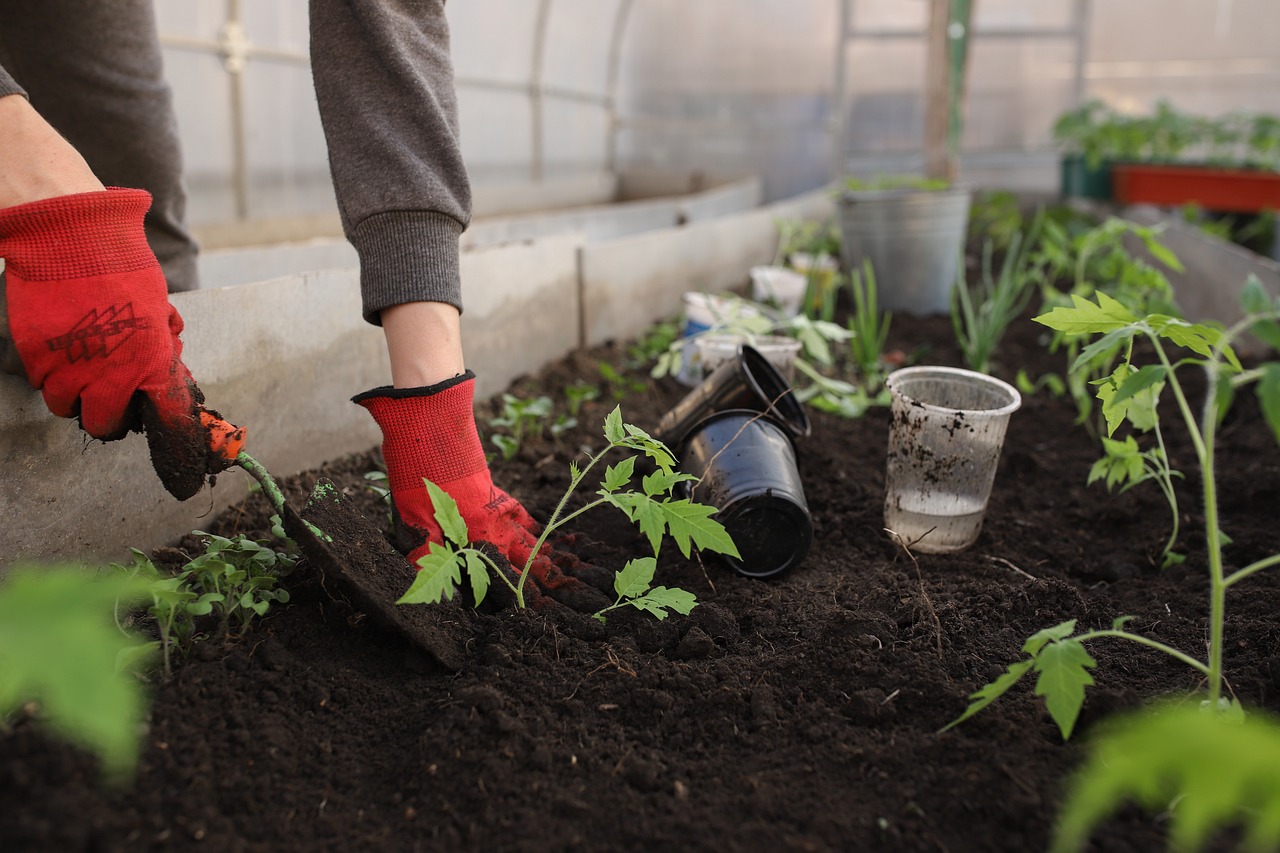
Malaysia’s tropical climate offers a unique opportunity to grow a wide variety of vegetables all year round. Whether you live in an urban apartment, a suburban home, or even on a farm, growing your own vegetables can be a rewarding and fulfilling experience. While the idea of growing vegetables at home might seem daunting to some, the benefits it offers are numerous and well worth the effort.
Here’s why you should consider growing your own vegetables at home in Malaysia:
1. Fresh and Nutritious Food Right at Your Doorstep
One of the biggest advantages of growing your own vegetables is the access to fresh, organic produce. You can harvest vegetables at their peak of freshness, which means they retain the most nutrients. Whether it’s leafy greens like kangkung (water spinach) or herbs like basil, having access to homegrown vegetables ensures you get the best quality food, free from pesticides and preservatives.
In Malaysia, where many vegetables are imported, having your own supply of fresh produce not only saves money but also guarantees the highest nutritional value, as imported vegetables can lose their nutrients during long transport.
2. Cost Savings
Groceries in Malaysia, especially fresh produce, can be expensive, especially if you are buying organic or imported vegetables. By growing your own, you can significantly reduce your monthly grocery bills. Even if you live in a small apartment with limited space, small containers or vertical gardening systems can provide enough space for herbs and compact vegetable varieties.
Over time, the investment in seeds, soil, and gardening tools pays off, as you won’t need to purchase vegetables as often, and you’ll have a constant supply of homegrown food.
3. Better for the Environment
Growing vegetables at home reduces your carbon footprint, as it eliminates the need for transportation and packaging of store-bought vegetables. Many vegetables in Malaysia are imported from other countries, and the transportation of these goods contributes to pollution and carbon emissions.
When you grow your own food, you also reduce the need for harmful chemicals and pesticides that are commonly used in commercial farming. You can practice organic gardening and make use of natural methods to fertilize and protect your plants, creating a healthier environment for both you and the planet.
4. Promotes a Healthier Lifestyle
Gardening encourages physical activity, which has numerous health benefits. Whether you’re planting, weeding, watering, or harvesting, you’re engaging in moderate physical exercise that can improve your fitness, reduce stress, and boost your mood.
The act of growing your own food also encourages healthier eating habits. When you have a garden full of fresh vegetables, it becomes easier and more appealing to incorporate them into your daily meals. A diet rich in fresh, homegrown produce can help reduce your intake of processed foods and promote overall well-being.
5. Education and Self-Sufficiency
Growing vegetables at home in Malaysia provides an excellent learning experience, especially for children. It teaches them about where their food comes from, the importance of sustainable farming, and how to care for plants. This knowledge can foster a deeper connection with nature and an appreciation for the food we eat.
Home gardening also enhances self-sufficiency. As you gain experience and confidence in gardening, you’ll learn to grow a wider variety of vegetables, saving money on grocery trips while enjoying the satisfaction of harvesting your own food.
6. Creates a Peaceful and Therapeutic Hobby
Gardening is often considered a therapeutic activity, helping to calm the mind and reduce anxiety. The process of nurturing plants and watching them grow can provide a sense of accomplishment and connection with nature. In Malaysia’s often hectic and fast-paced urban environment, gardening offers a peaceful retreat, allowing you to unplug from the pressures of daily life and enjoy a hobby that brings you closer to the earth.
7. Encourages Local Food Security
In light of global challenges such as climate change, economic instability, and supply chain disruptions, growing your own vegetables contributes to local food security. By producing your own food, you lessen your dependence on outside sources and ensure a steady, reliable supply of fresh produce in your household.
Malaysia is known for its agricultural diversity, and by growing local vegetables like chili, eggplant, and bok choy, you help promote and sustain local food sources, reducing reliance on imported goods and supporting local food production systems.
8. It’s Fun and Fulfilling
Lastly, growing your own vegetables is simply fun. From choosing which vegetables to grow to watching them sprout and flourish, gardening is a hands-on, rewarding activity. It brings a sense of accomplishment when you can finally enjoy the fruits (or vegetables) of your labor, whether it’s a bowl of stir-fried kangkung or a homemade salad with fresh tomatoes and cucumbers.
For those who are new to gardening, starting small and simple can lead to a sense of achievement and open the door to further exploring the world of homegrown food.
Conclusion
Growing vegetables at home in Malaysia is a sustainable, healthy, and cost-effective way to provide fresh food for yourself and your family. With the right tools, knowledge, and commitment, anyone can cultivate a beautiful and productive garden, no matter the size of their living space. Whether you’re motivated by health, sustainability, or simply the joy of gardening, the benefits of growing your own vegetables are endless.
So, why not start today? Begin by growing easy-to-care-for herbs like mint or basil, or opt for vegetables like cucumbers or lettuce that thrive in Malaysia’s tropical climate. The rewards are waiting, right in your backyard or on your balcony!